STEVE NELSON II
Concept art from the other side of the brief.
Twenty-five years in game art. Two MMOs. Fifteen years leading artists on The Elder Scrolls Online. I've written the outsourcing brief, received the outsourcing brief, and reviewed the work that came back from both — which is exactly the seat you're hiring for.
Contract-ready, US-remote. Character, prop, and creature concept — plus the review eye that comes from directing all three.
THE SHORT VERSION
Military simulation — where I started: art built to spec, on deadline, for people who check.
Mythic Entertainment — Warhammer Online, 3 years. Environment and prop work on a live MMO at war with its own production schedule.
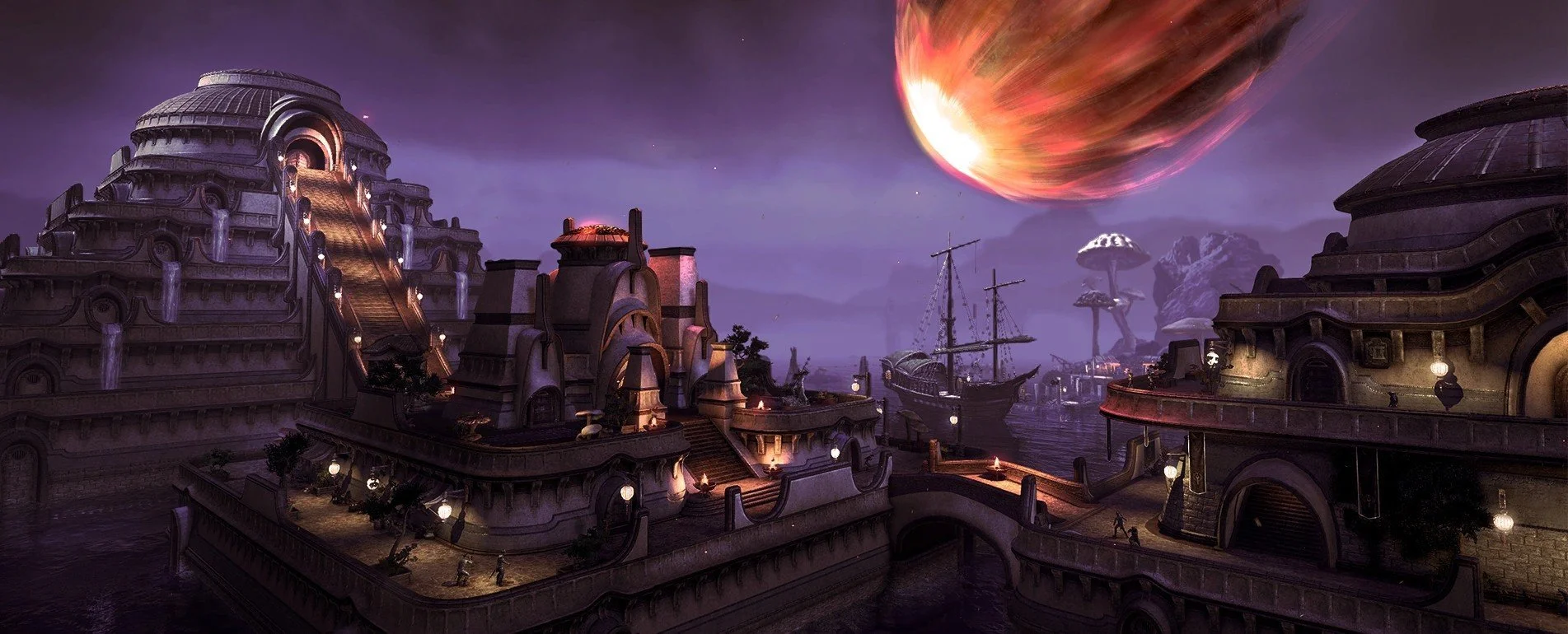
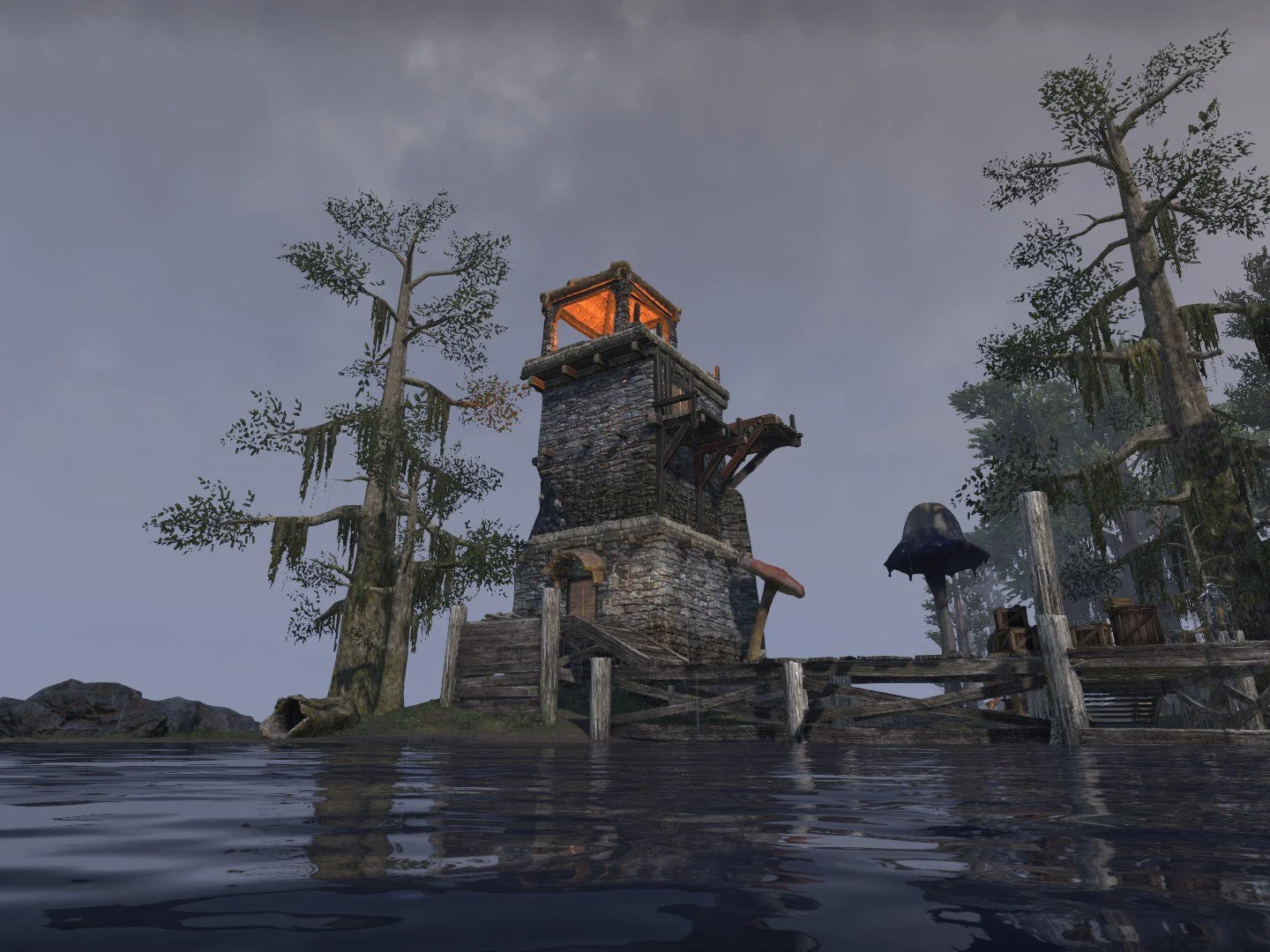
ZeniMax Online — The Elder Scrolls Online, 15 years. Environment art and art leadership. I built Vivec City and its palace, worked Imperial City, built Seyda Neen — the first ground most players ever stood on in Morrowind — and the Altmer architecture of Summerset.
Microsoft — Art Director. New-IP AAA. Briefing, directing, and reviewing external art at scale.
Swamp Shell Industries — Founder, present. My own studio: concept, creature design, and the production tools to move it.
Every stage of that was MMO production — live worlds, external partners, and art that has to survive contact with a pipeline.
WHY AN OUTSOURCING ROLE
Most concept artists have only ever been on one end of an outsourcing brief. I've been on both, for years, at the same time. At ZeniMax and Microsoft I wrote the briefs that went out to external partners — and I reviewed what came back, round after round, until it integrated clean. Before that, I was the artist receiving briefs like them. So I know what a brief needs to survive: a silhouette that reads at gameplay distance, a material call that a modeler doesn't have to guess at, an orthographic that answers questions instead of raising them. That's the whole job in your outsourcing seats — translate intent into briefs a vendor can execute, then give feedback that makes the next round better instead of just later. It's the work I've done for fifteen years. The work below is the evidence.
CHARACTER CONCEPT — Senior Outsourcing Character Concept Artist (GW3)
Characters built to be read — silhouette first, costume as storytelling, and enough mechanical and material logic in the design that a vendor or a modeler can build from it without a second brief.
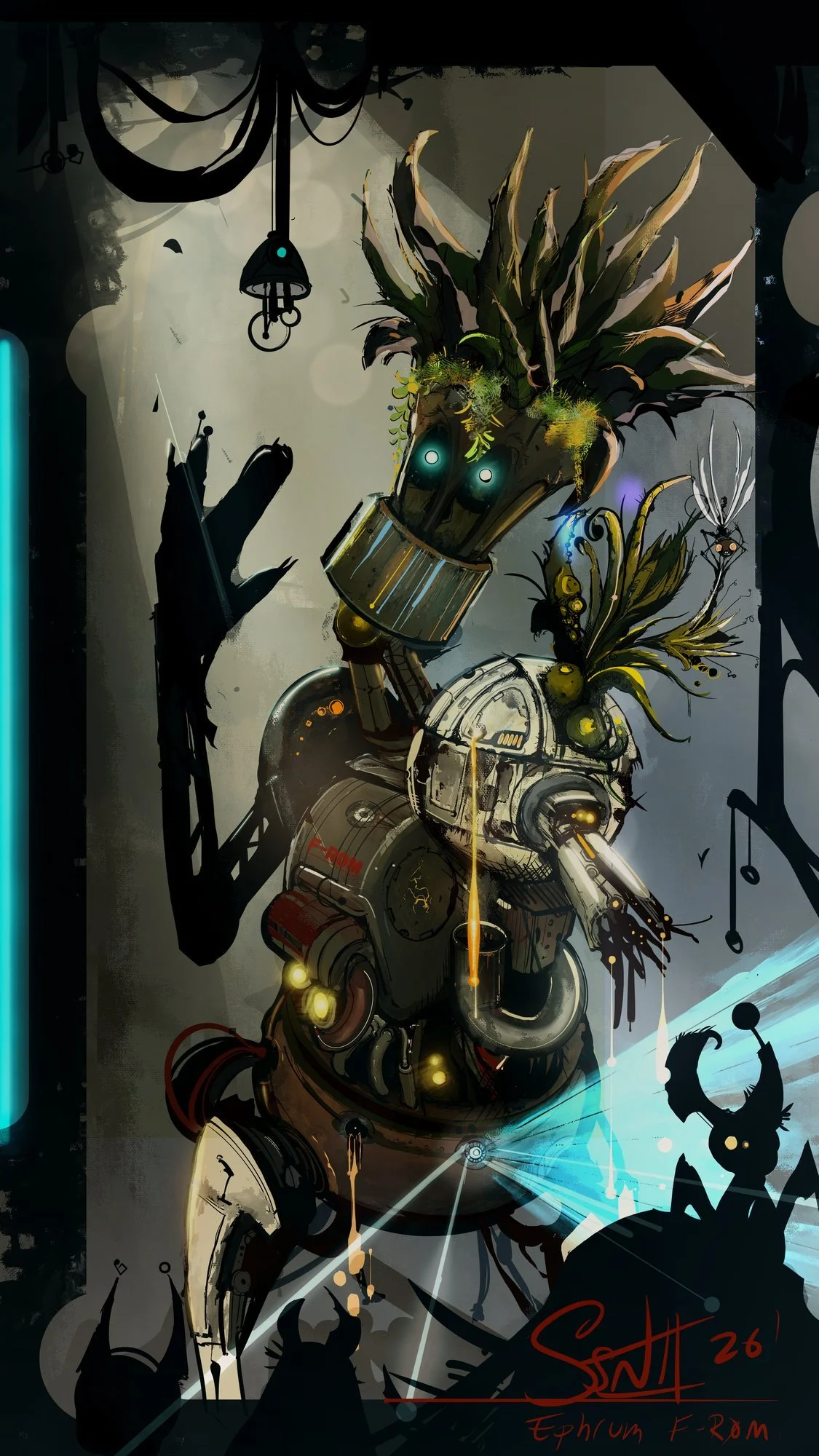
1. EPHROM — Full-color robotic character design. Hard-surface logic carried in a 2D key: every panel line is a modeling instruction.
2. Gaji — Avian character, saturated color, silhouette-led. Designed to read at a glance and hold up as key art.
3. The Witch — Character key art in a restrained palette. Costume and posture carry the character before a single prop appears.
4. Helmet Bird — Character design with integrated mechanical gear — the character/prop line is where I live; this piece sits on it deliberately.
5. Pumpkin Creature — Character-scale creature design: readable intent, readable mood, buildable forms.
6. Swamp Shell — Character and studio mark in one. My own IP, designed to survive every size from favicon to banner. Standard cell only, never hero-cropped.
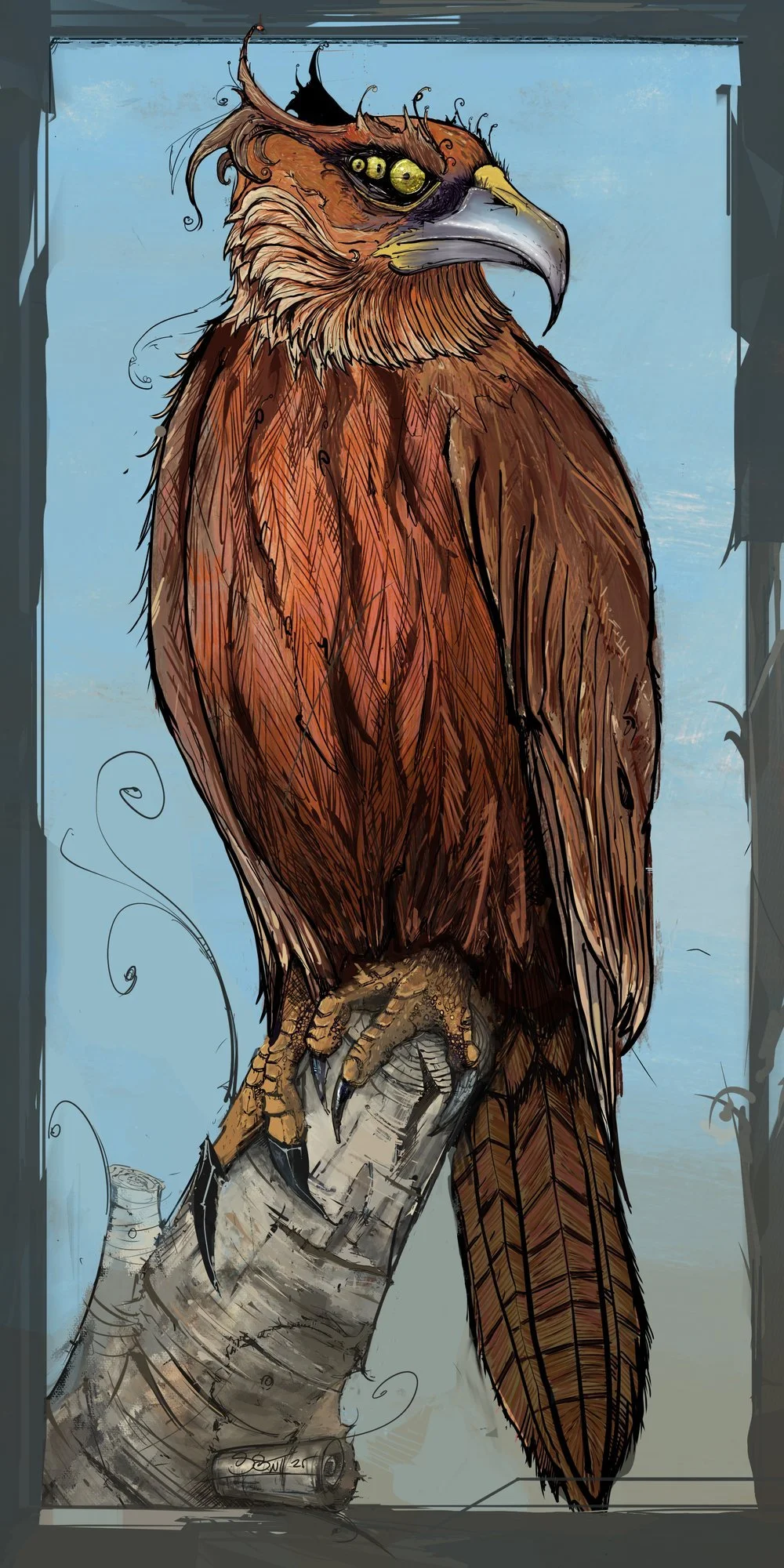
2. Gaji — Avian character, saturated color, silhouette-led.
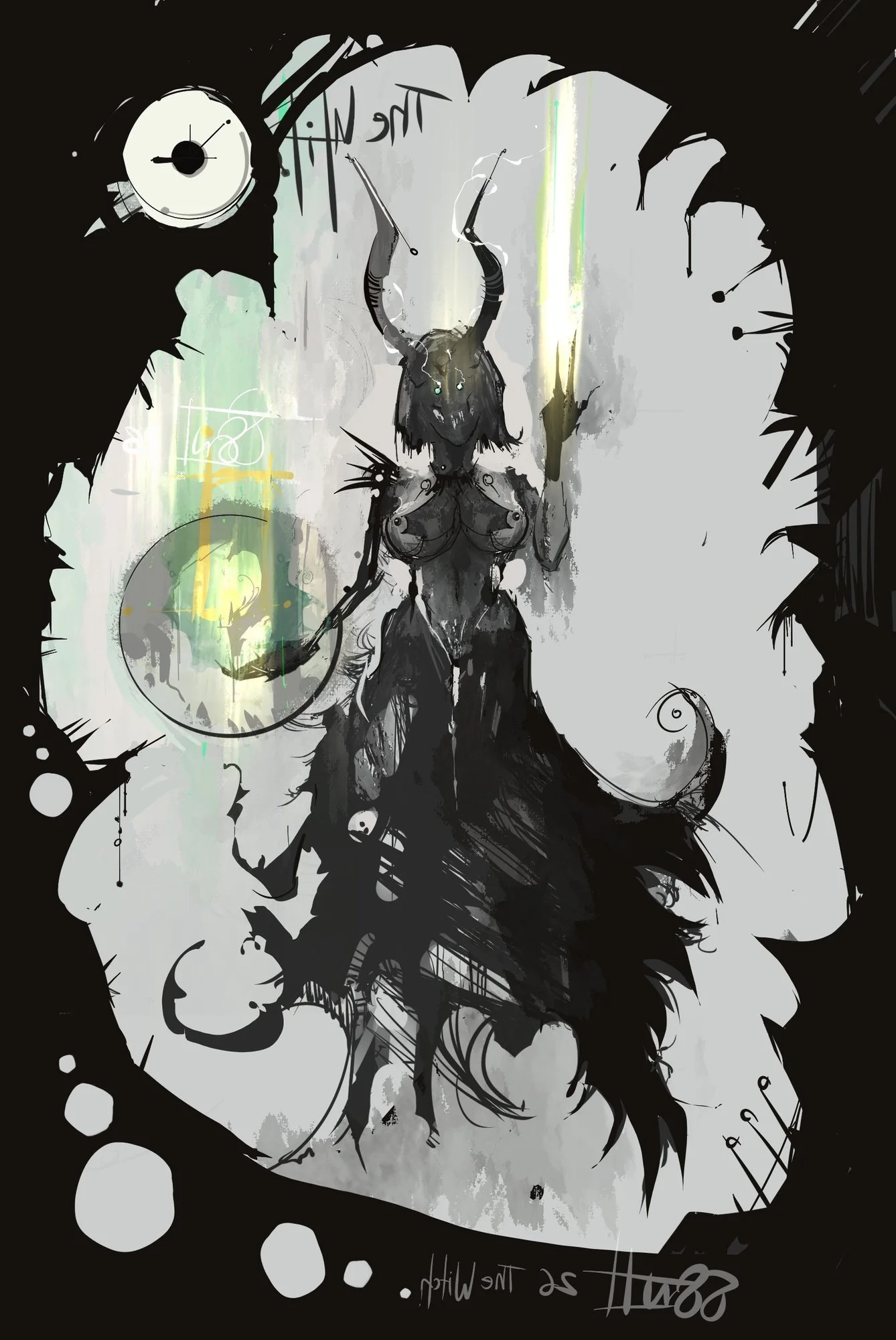
3. The Witch — Character key art in a restrained palette.
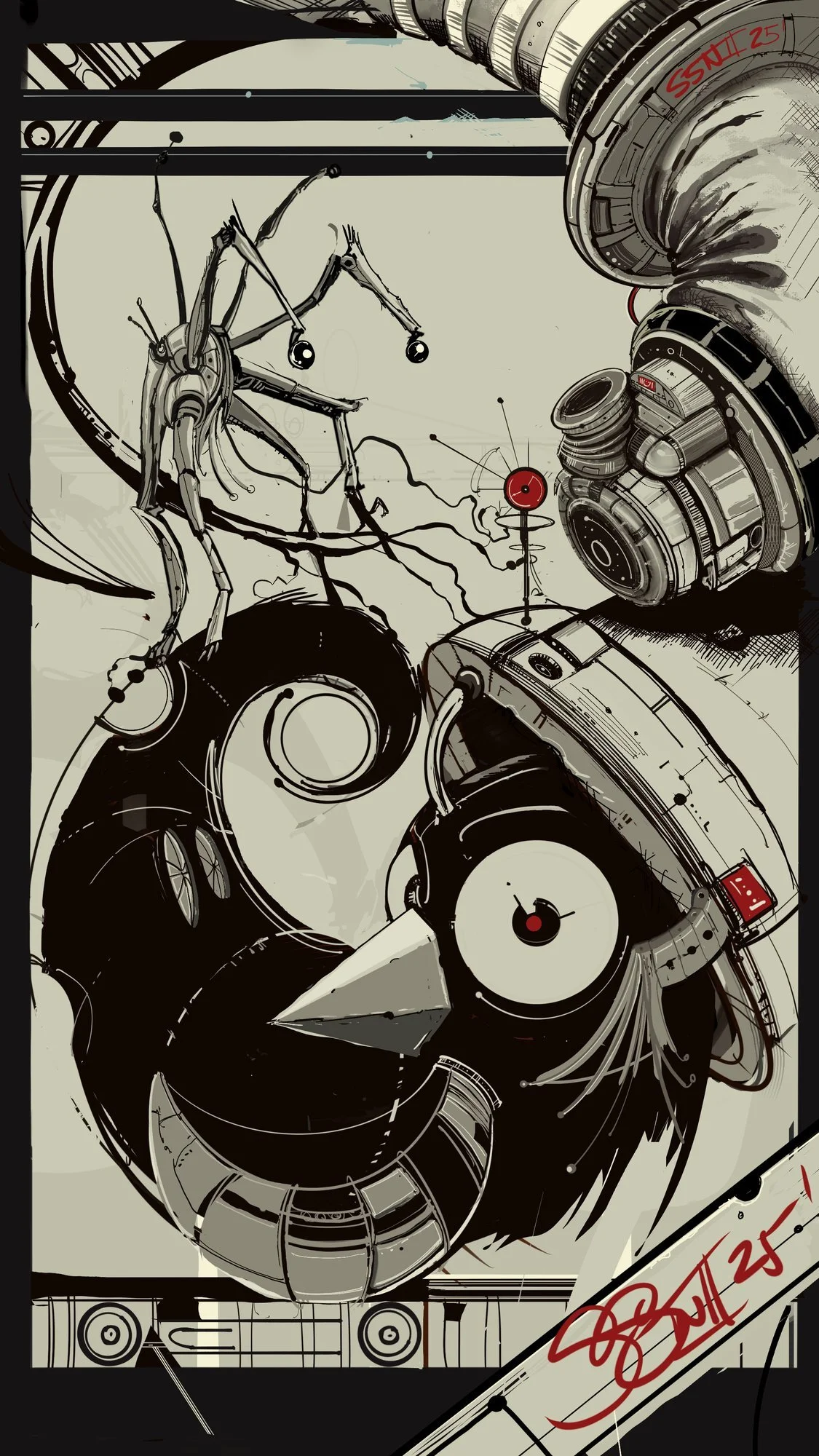
4. Helmet Bird — Character design with integrated mechanical gear.
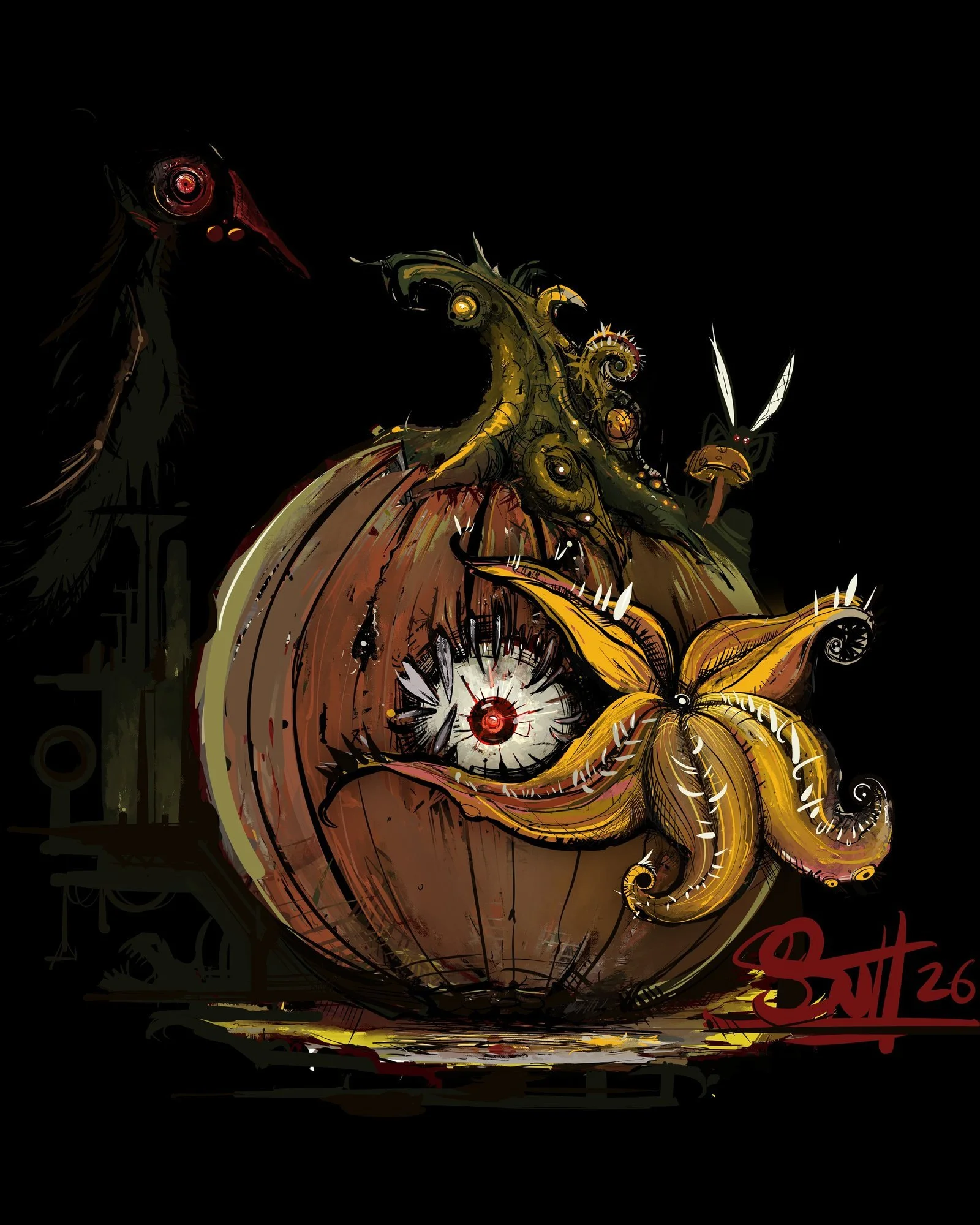
5. Pumpkin Creature — Character-scale creature design.
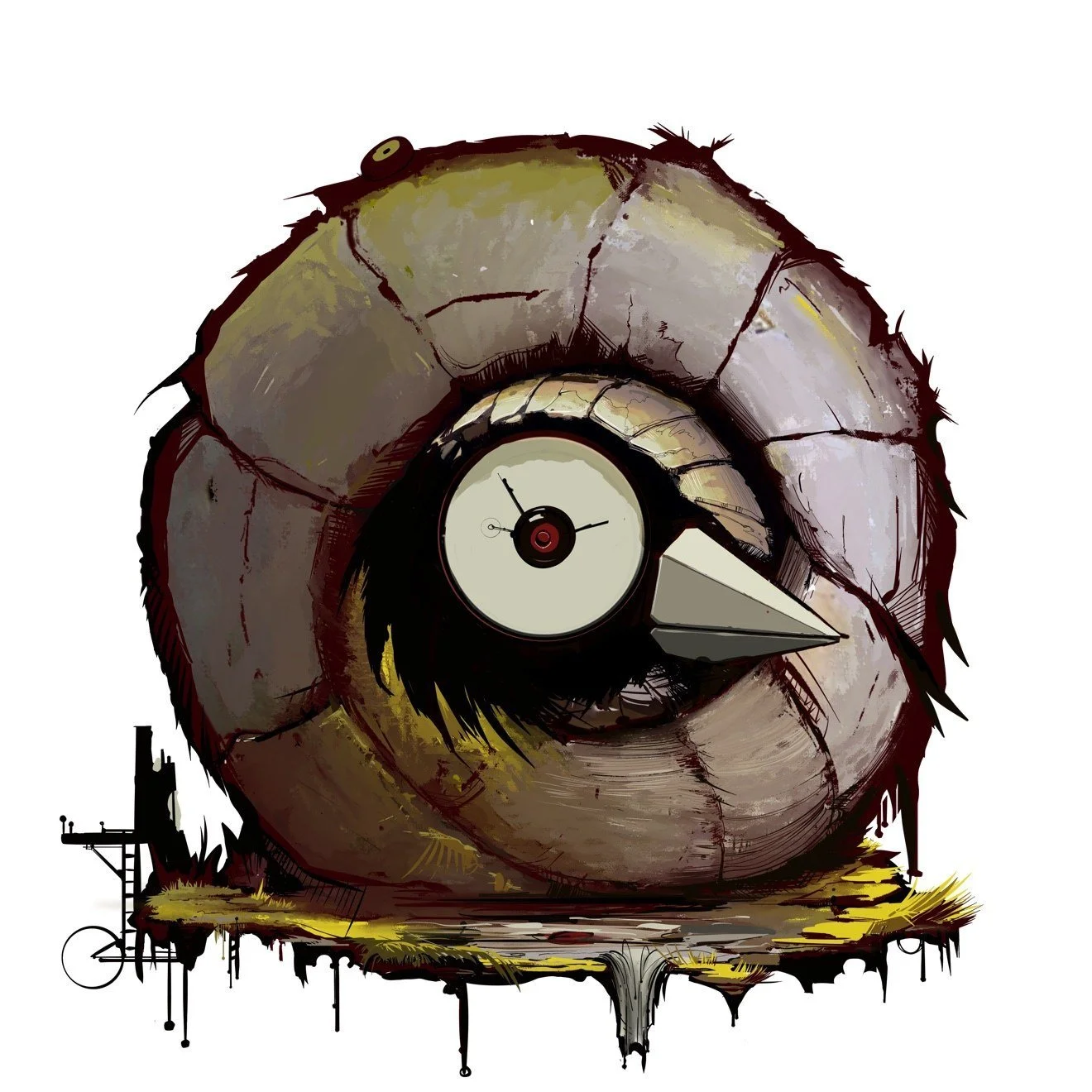
6. Swamp Shell — Character and studio mark in one.
PROP CONCEPT — Senior Outsourcing Prop Concept Artist (GW3)
Props are production documents wearing a costume. A good prop sheet tells the modeler the kit logic, the materials, and the wear pattern — and tells the player where they are. Fifteen years of environment and kit work is fifteen years of exactly that.
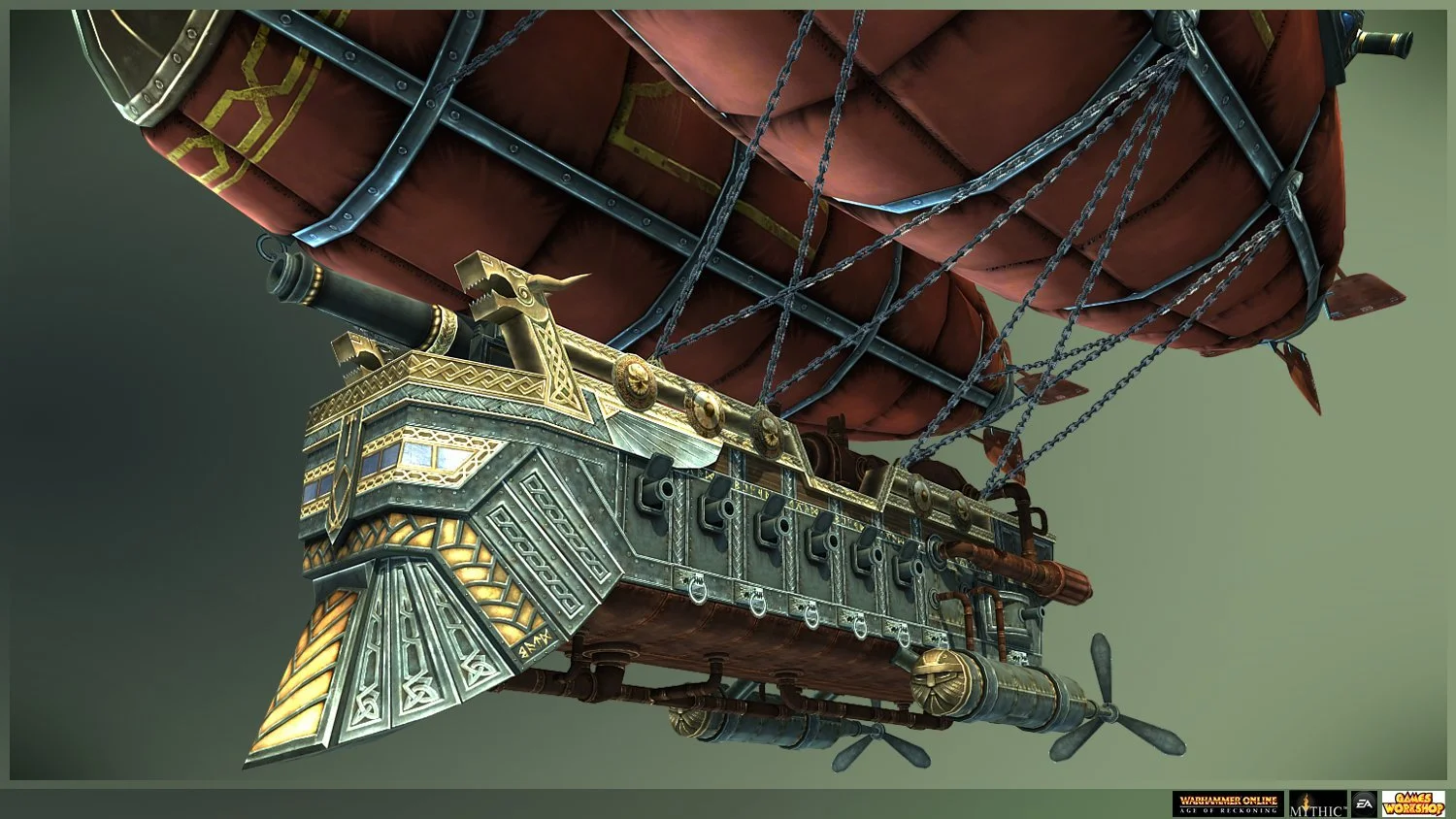
1. Dwarf Airship — Warhammer Online — Large vehicle/prop design from my Mythic years: a machine that has to read as Dwarven engineering from across a battlefield. Gallery size only.
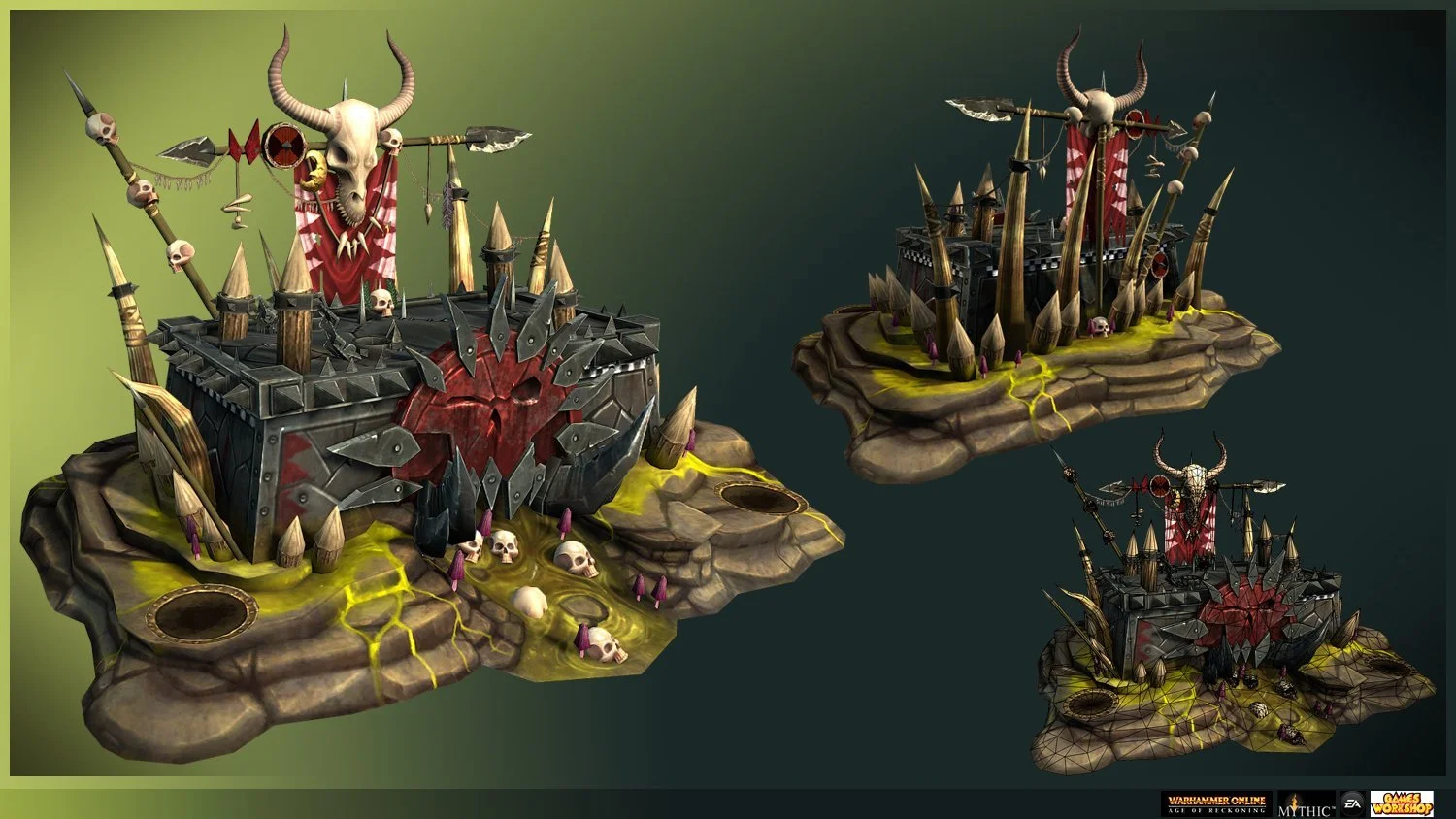
2. Orc Altar — Warhammer Online — Modular set-piece design. Built as a kit, placed a hundred ways, unmistakably Orcish in every one. Gallery size only.
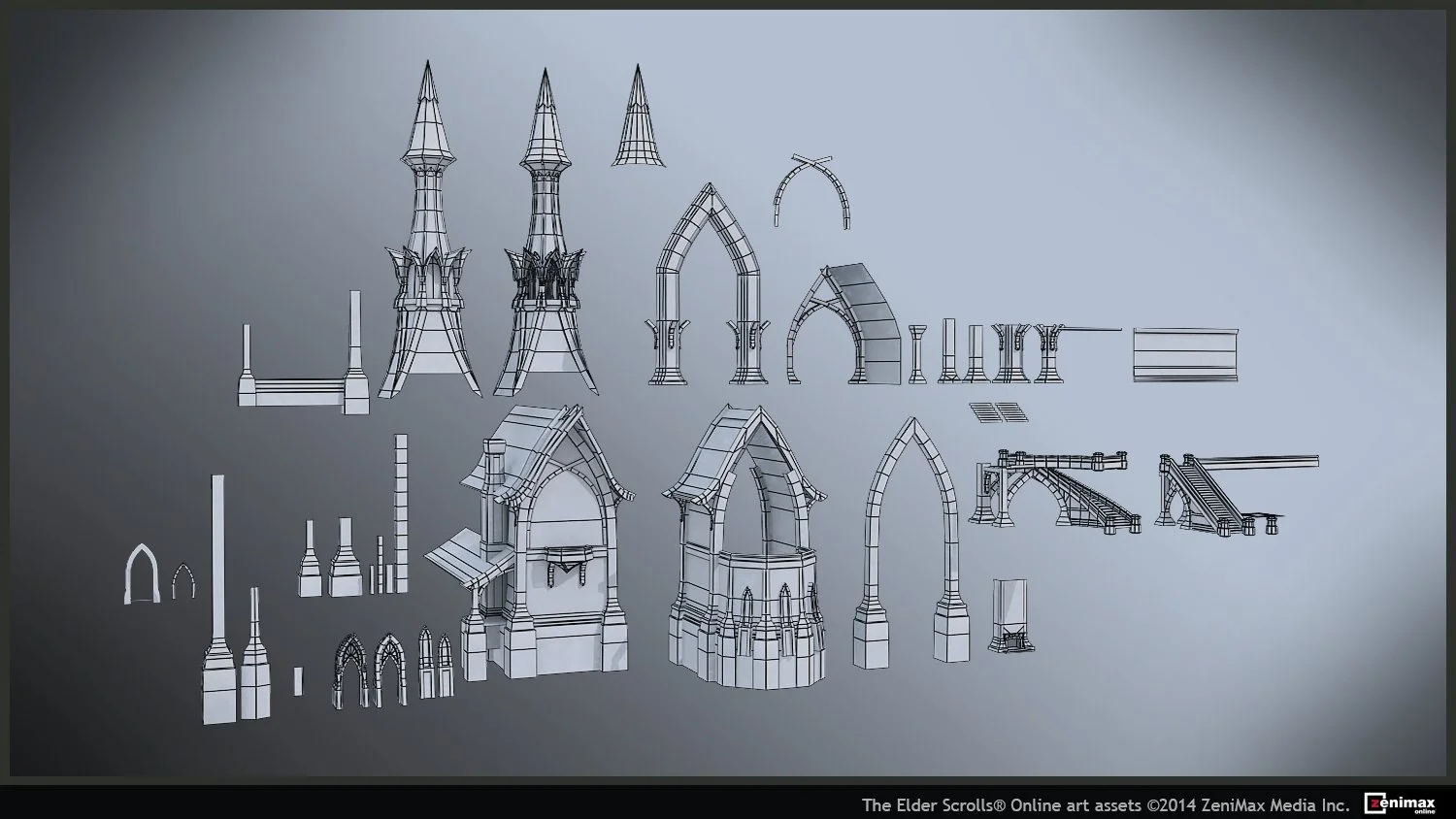
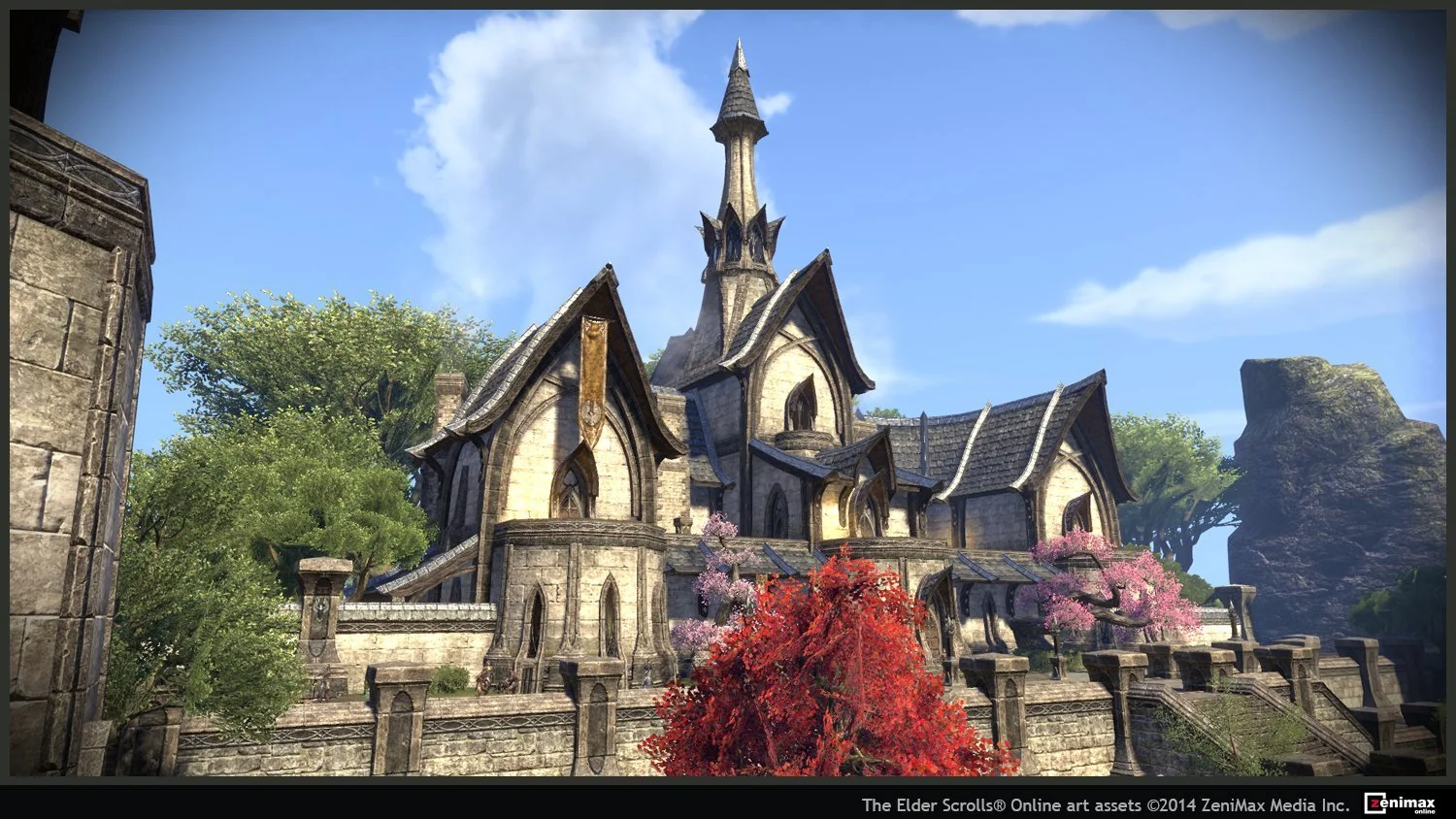
3. Summerset Altmer Kit Parts — ESO — The architecture kit, broken down to parts. This is the outsourcing document itself: pieces, proportions, and the rules for combining them. Gallery size only.
4. Summerset Altmer Architecture — ESO — The same kit, assembled and finished in game. Brief to build to shipped world, end to end. Gallery size only.
5. Helmet Bird (cross-listed) — Gear as character: straps, fittings, and worn metal that a modeler can take straight to build.
CREATURE CONCEPT — Senior Creature Concept Artist (unannounced project)
Creatures are my home turf. I design from anatomy and behavior outward — how it moves, how it feeds, what it fears — because a creature that makes biological sense reads instantly and animates honestly. Horror welcome; it's the house style.
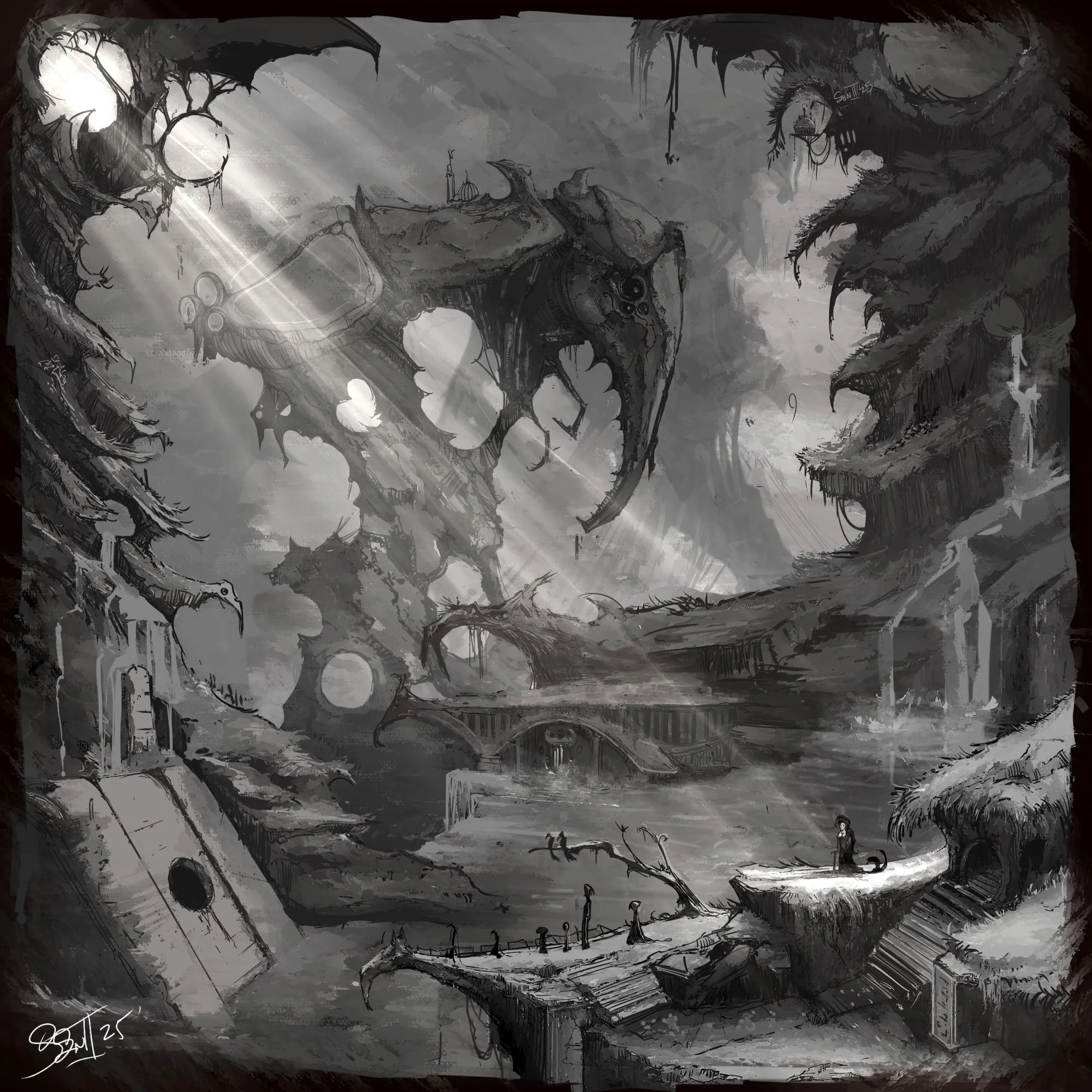
1. Decay — Leviathan-scale creature in its environment. Mass, decay, and ecology in one read.
2. Plesmus — Panoramic creature study: locomotion and proportion worked out across the full body plan. Wide cell.
3. Spumpkin — Arachnid/pumpkin hybrid design. Two familiar anatomies fused into one believable animal.
4. The Angler — Grim — Deep-water predator logic brought to land: lure, patience, and a mouth built for one job.
5. Pumpkin Creature (cross-listed) — Creature design at character scale — the bridge between the creature and character seats.
6. Andromeda — Creature in action: a key illustration built on a working anatomy, not a pose pasted onto a monster shape.
7. Calypso — Supporting creature study — quieter, stranger, built from the same anatomy-first process. Standard cell only.
8. Gaze — Creature portrait. One eye, all intent — character lives in creatures too.
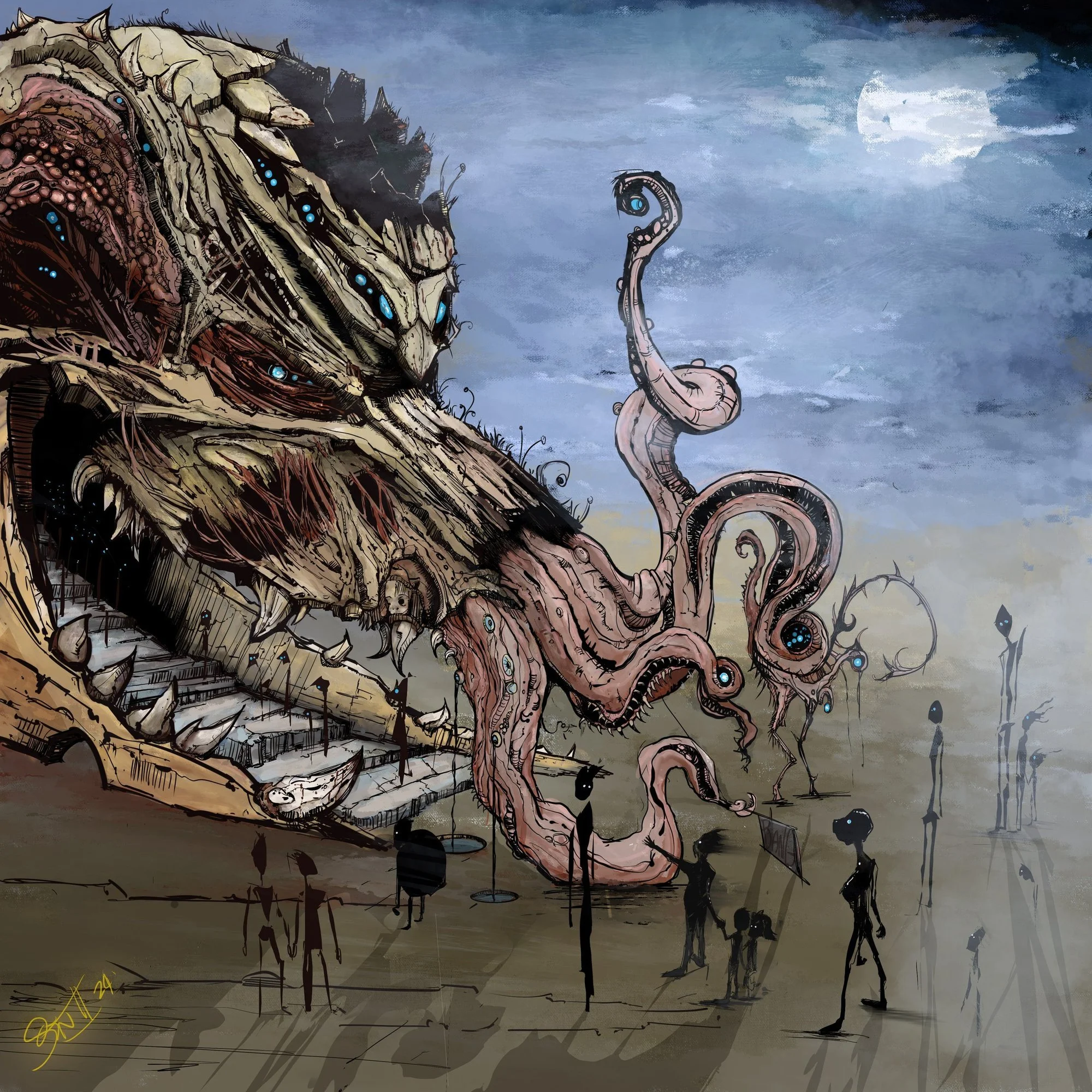
1. Decay — Leviathan-scale creature in its environment.
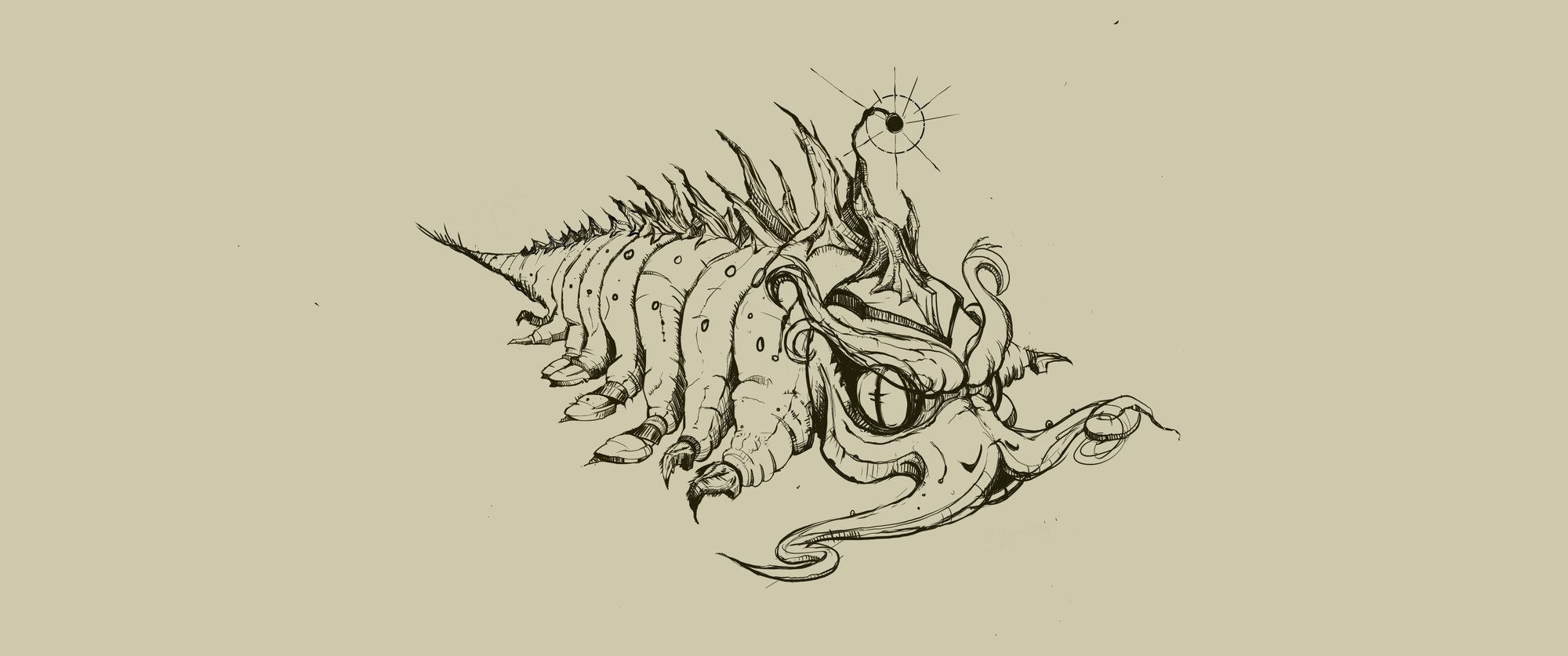
2. Plesmus — Panoramic creature study.
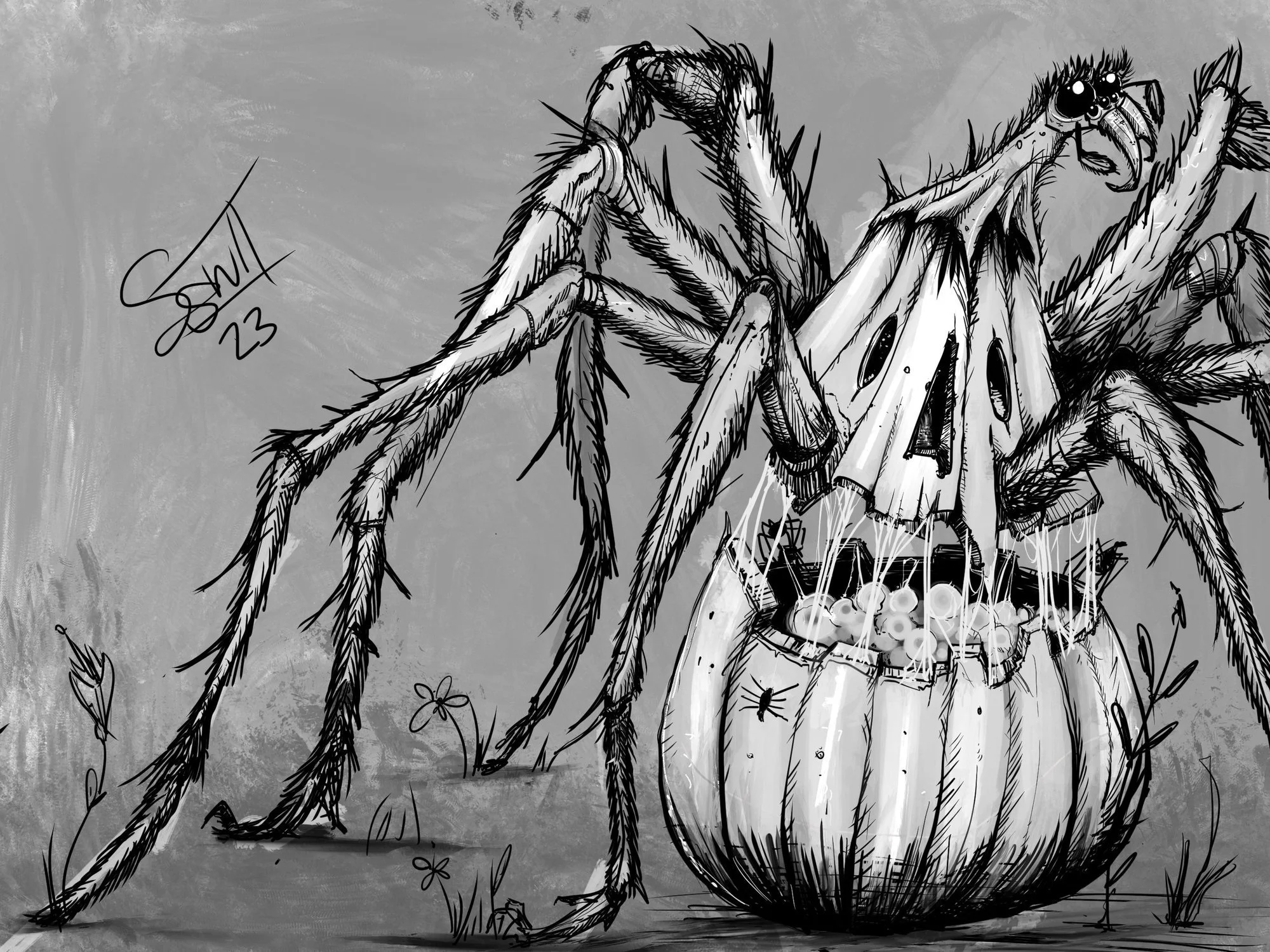
3. Spumpkin — Arachnid/pumpkin hybrid design.
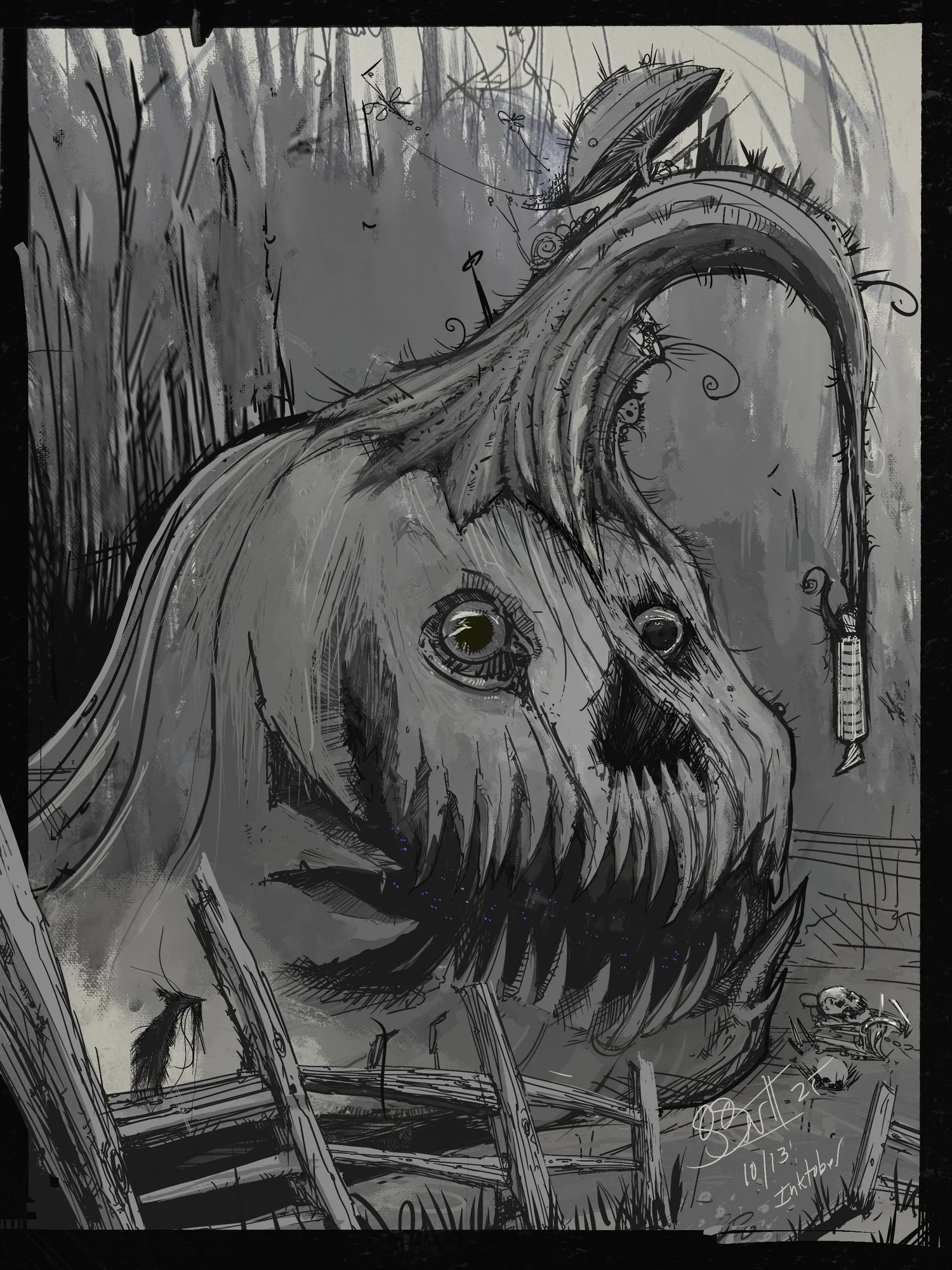
4. The Angler — Grim — Deep-water predator logic brought to land.
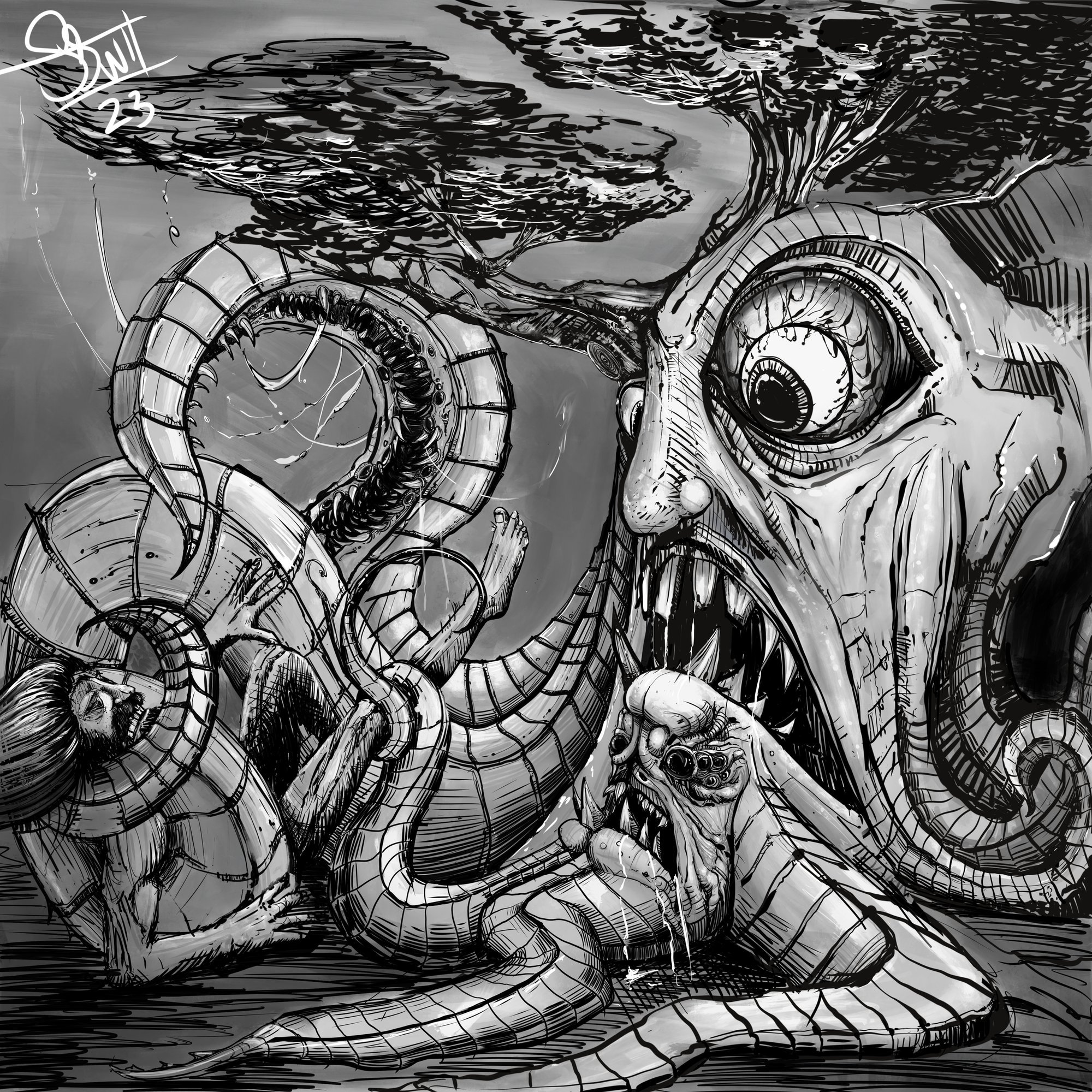
6. Andromeda — Creature in action.
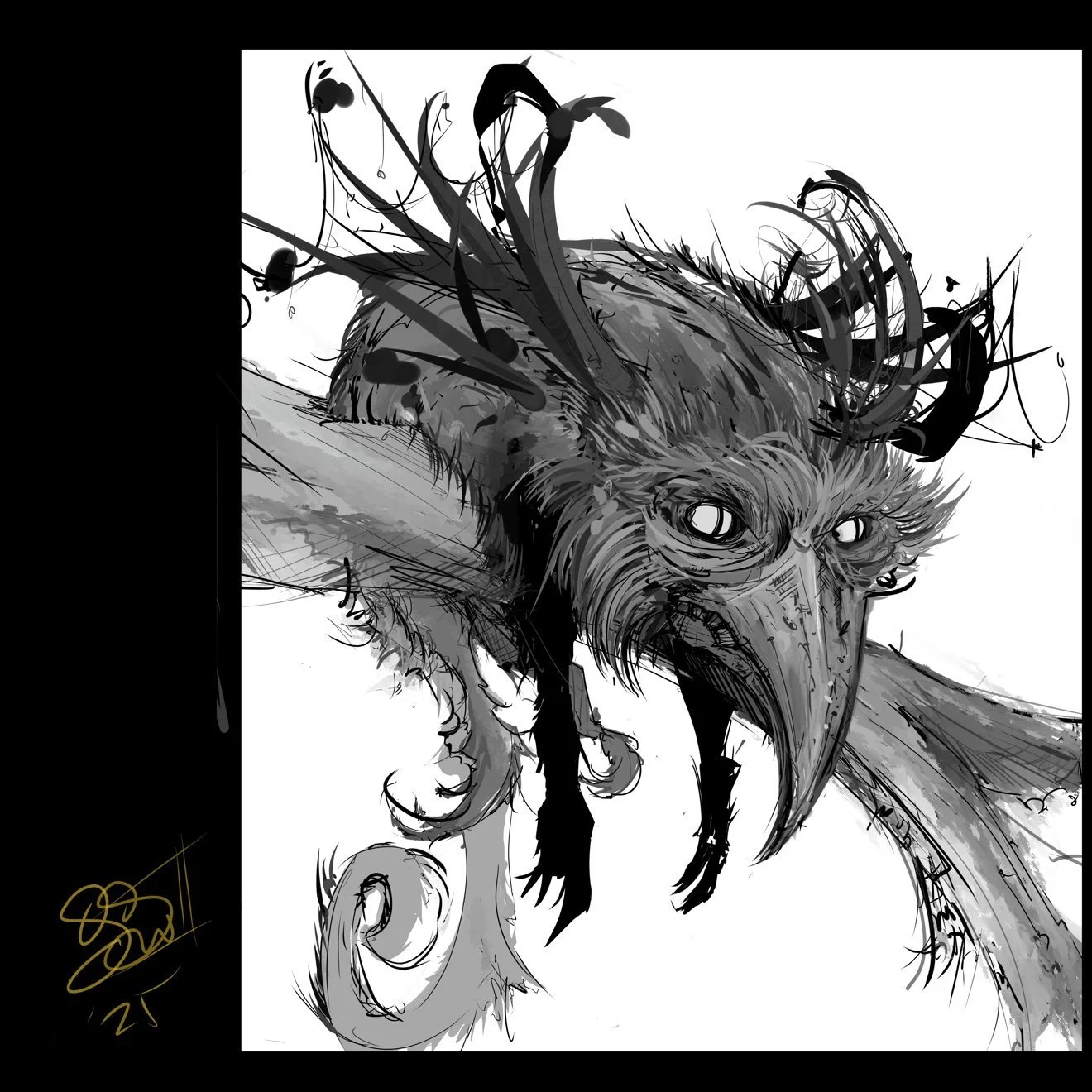
7. Calypso — Supporting creature study.
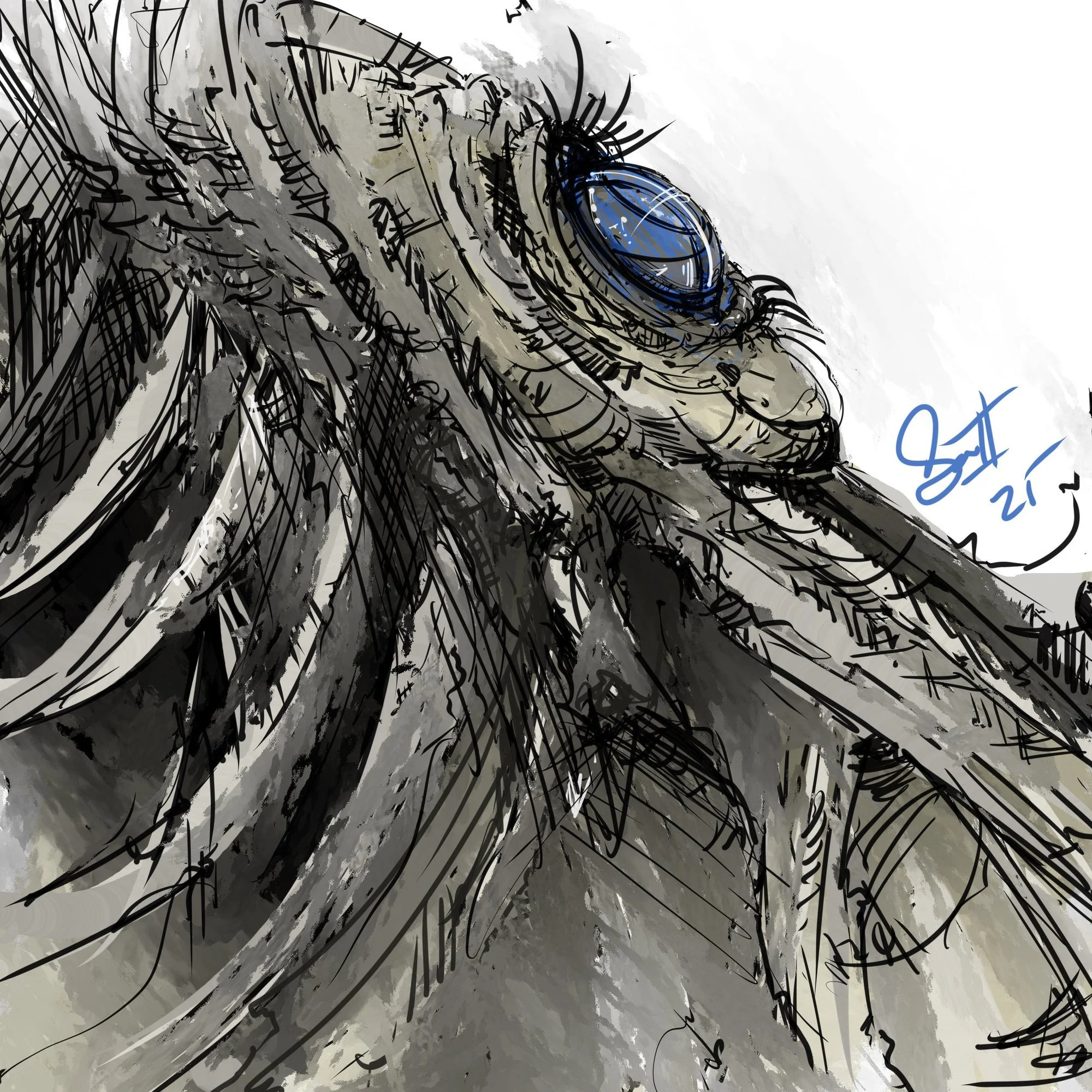
8. Gaze — Creature portrait.
WORLDS — FIFTEEN YEARS OF ESO
For the generalist seat: I didn't just concept environments, I built and led the teams that shipped them. Vivec City and its palace, Imperial City, Seyda Neen, Summerset's Altmer architecture — live MMO worlds, still running, still played.
1. Vivec City — ESO — I built the city and the palace at its heart. Shown at native panoramic ratio. The Elder Scrolls Online · ZeniMax Online · environment art & leadership.
2. Seyda Neen — ESO — The arrival town: the first environment a generation of Morrowind players ever saw in ESO. Gallery size only.
3. Summerset Altmer Architecture — ESO (cross-listed) — Altmer architecture: kit-designed, art-directed, shipped. Gallery size only.
4. Moonshine — Personal illustration. Atmosphere is a production skill; this is where I keep it sharp.
AND I BUILD THE TOOLS — SWAMPSHELL PRIME
At Swamp Shell I built SwampShell Prime — my own production environment, where my 2D art becomes rigged, animated actors through our own soft-skin rigging and animation tech. I direct the art and the pipeline; the system exists because twenty-five years of production taught me exactly where pipelines waste an artist's week. For an outsourcing seat, that's the point worth making: I don't just deliver art into a pipeline. I understand the pipeline as a system — briefs, reviews, integration, tools — because I've spent my career on every station of it, and I build tooling when a station is missing. Text only: no mock screenshot; my 2D art plus the studio's own rigging/animation technology, directed by me.
THE BRIEF IS THE JOB. I'VE LIVED ON BOTH SIDES OF IT.
Character, prop, creature, worlds — contract-ready, remote, and available against your November deadlines. If the work above looks like the support your team needs, the conversation is short.
Portfolio home: ssnii.com · Full work: ssnii.com/work · Contact via the site's Contact page.
All artwork on this page is my own or my credited shipped-game work. Shipped-game images are collaborative studio artifacts shown as production evidence.